Epigenetic Age vs Chronological Age in Cohort Studies
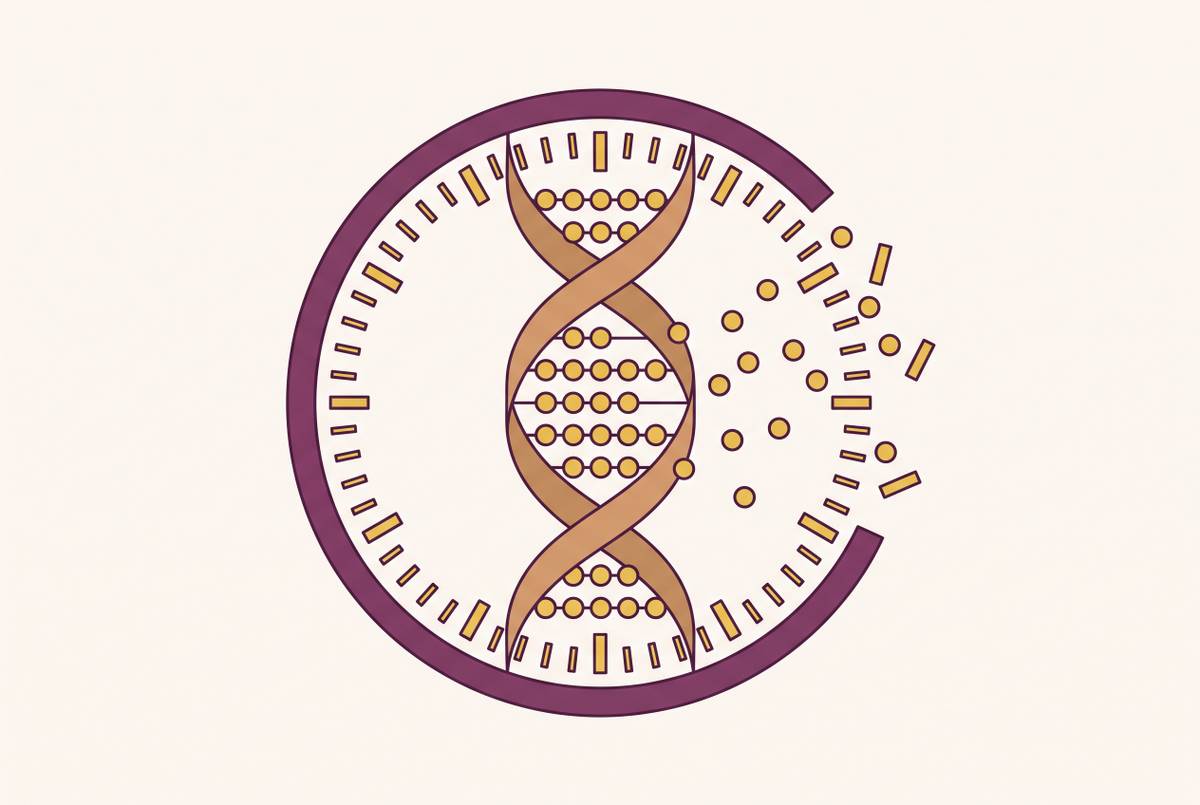
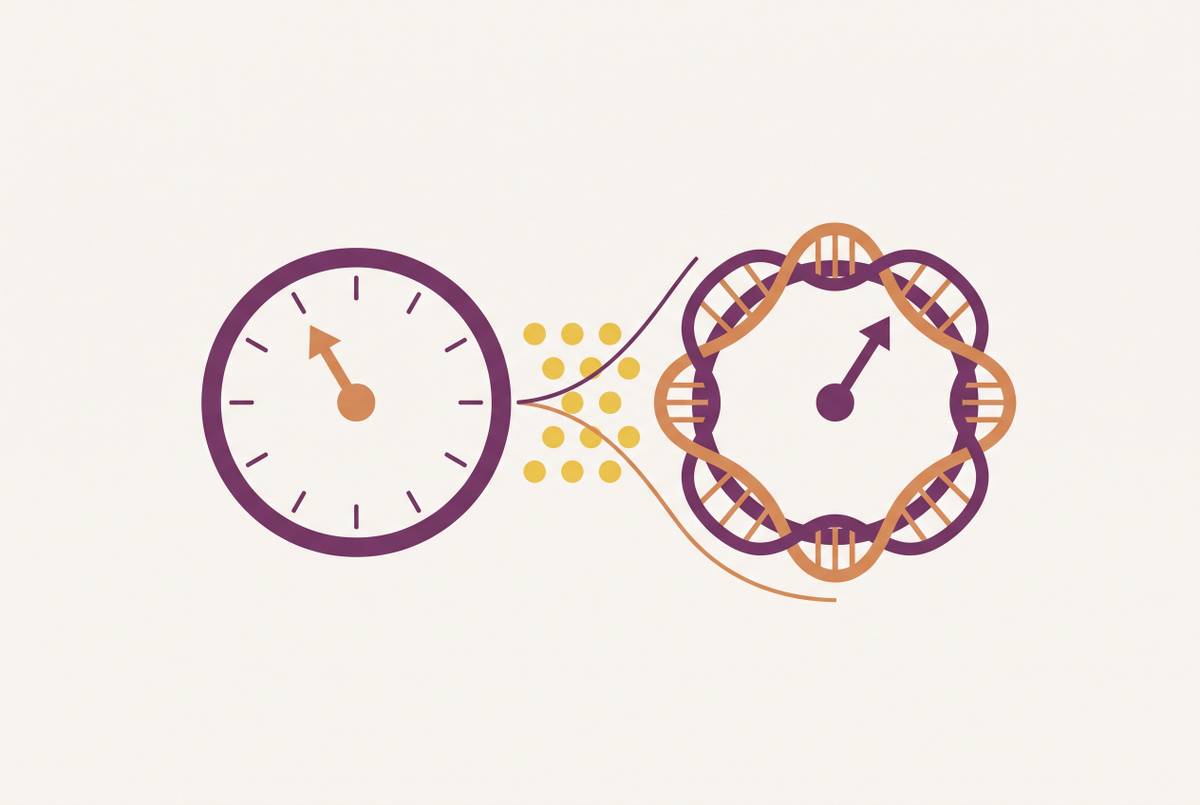
Biological aging, not calendar years, predicts disease and decline.
Priya Venkataraman
Senior Science Correspondent
Priya Venkataraman has covered geroscience and molecular biology for over a decade, with a background in biochemistry research at the University of Edinburgh before transitioning to science journalism in 2011. She specializes in translating complex mechanistic findings—from senescence pathways to epigenetic reprogramming—into rigorous, accessible reporting.
6 stories
Biological aging, not calendar years, predicts disease and decline.
Moderate calorie restriction slowed aging markers in healthy adults over two years.
Blocking a key protein-clearance step drives aging's worst diseases.
Cells stop talking clearly to each other as they age, turning local damage into body-wide decline.
Understanding inflammaging reveals why chronic low-grade inflammation damages aging bodies.
Epigenetic drift explains why two people of the same age age at vastly different rates.